Loading…
Destination
Morocco travel itineraries
1 itinerary · recommended 10-14 days · trips from 10 days
Compiled by TripSet · based on 1 traveler itinerary · Last reviewed: July 2026
About Morocco
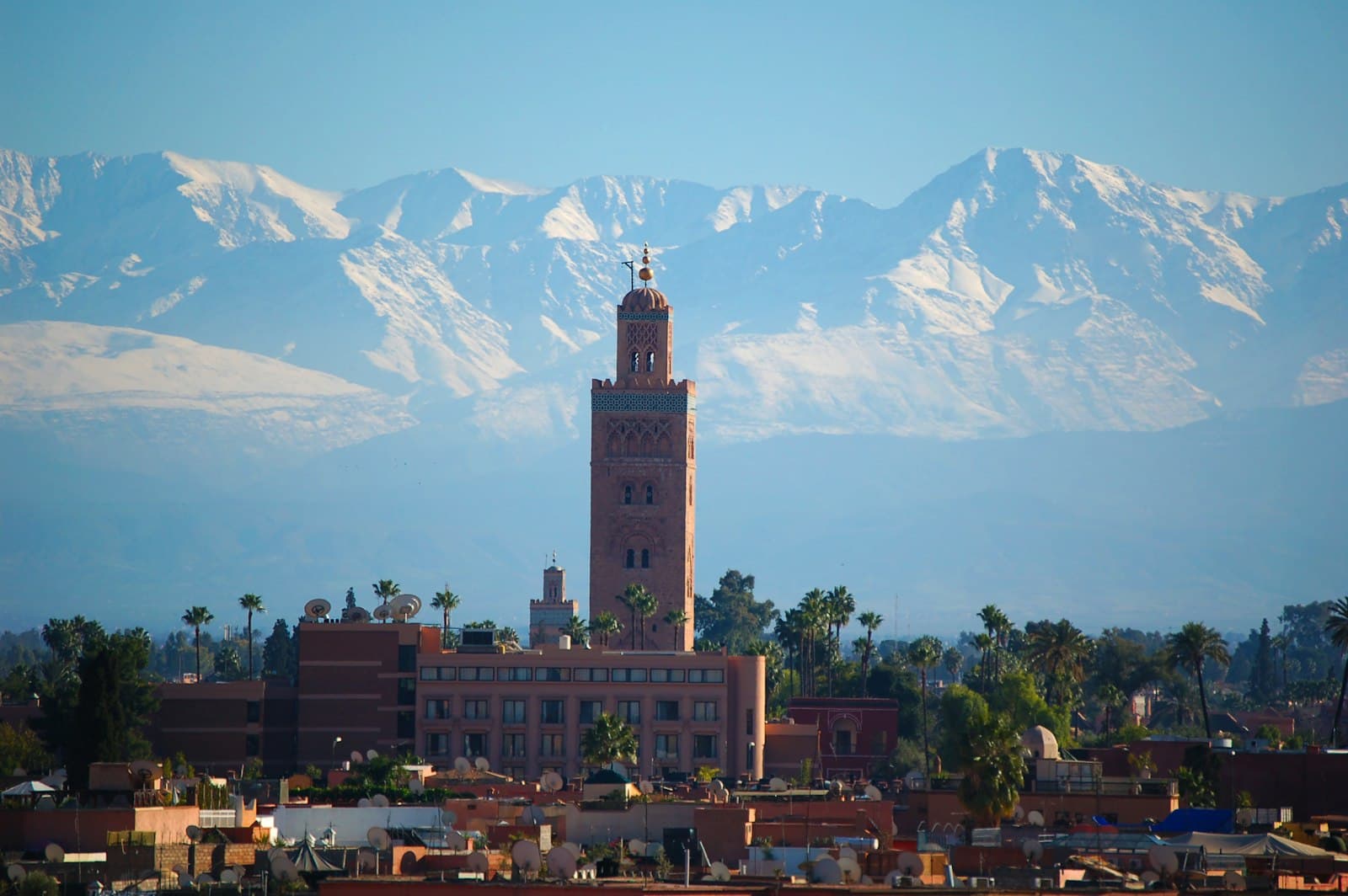
Morocco is a country in northwestern Africa, bordered by the Atlantic Ocean and Mediterranean Sea to the west and north, Algeria to the east, and Mauritania to the south — a crossroads position that has produced one of the most culturally layered destinations in the world. Within a relatively compact geography, Morocco compresses imperial cities with medieval medinas, Atlantic surf towns, High Atlas mountain passes with snow-capped peaks, and open Sahara desert. A two-week trip can credibly include all of these, making it one of the most variety-dense destinations accessible from Europe.
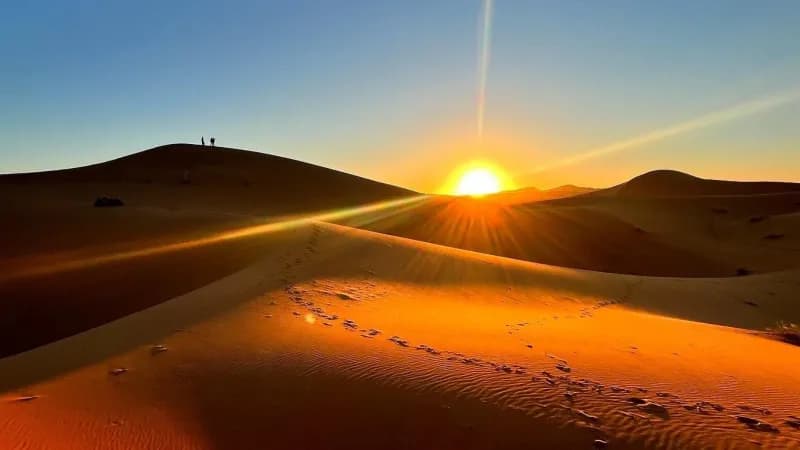
The classic itinerary loops between four imperial cities — Marrakech, Fez, Meknès, and Rabat — with Marrakech and Fez doing most of the heavy lifting in shorter trips. Marrakech is the obvious entry point: Jemaa el-Fnaa square, the Majorelle Garden, riads in the medina, and the launchpad for trips to the Atlas and Sahara. Fez has the best-preserved medieval medina in the Arab world and is the cultural counterpoint to Marrakech's tourist intensity. Chefchaouen — the "blue city" in the Rif mountains — has become a major Instagram draw but remains genuinely beautiful. The Sahara experience (typically a 2–3 day trip from Marrakech to Merzouga or Zagora) involves a long drive and is one of the trip highlights for most travelers.
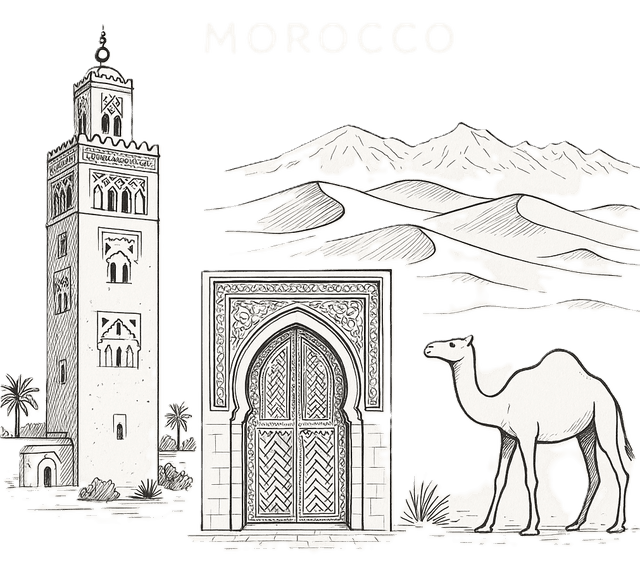
A two-week trip can credibly include imperial cities, Atlas mountains, and the Sahara — few destinations offer that kind of range without long-haul travel between segments.
Practical realities: Morocco is more challenging than Western Europe for first-time travelers. Tour touts, faux guides, and pricing tricks in medinas are universal — friendly negotiation and a willingness to walk away handle most of it. Women travelers report a wider range of experiences; conservative dress reduces unwanted attention. Trains between major cities (Casablanca, Rabat, Fez, Marrakech) are excellent and affordable; grand taxis cover the rest. Hammams (public baths) and riad stays are signature experiences.
Food is a real strength — tagines, couscous, mint tea, Atlantic seafood in Essaouira, street food in any medina. Alcohol is available but not universal; many restaurants in traditional areas don't serve it. Ramadan affects opening hours and food availability significantly; many travelers prefer to avoid that period or research it carefully before going.
Morocco travel tips
- 1
Always agree on a taxi price before getting in — petit taxis in cities have meters but drivers often claim they're broken. Ask your riad or hotel for the fair going rate to your destination.
- 2
Carry Moroccan dirhams in cash at all times. Card acceptance is improving but unreliable outside upscale riads and large restaurants; ATMs in medinas can run out on weekends.
- 3
Hire a licensed guide for your first day in Fez medina. The old city has over 9,000 streets with no visible logic — even experienced travelers get seriously lost. Your riad can recommend someone trustworthy.
- 4
Dress conservatively outside beach resorts. Shoulders and knees covered in medinas and rural areas for everyone; this is both a cultural respect issue and a practical way to reduce unwanted attention.
- 5
The ONCF train network between Casablanca, Rabat, Fez, and Marrakech is reliable, clean, and affordable. Book in advance for the Marrakech–Fez route — it fills on weekends and holidays.
- 6
For the Sahara, a shared group tour over 2–3 days is the most practical approach unless you're renting a 4WD. Clarify exactly what is included (transport, camp type, meals, camel ride duration) before booking.
Plan your Morocco trip with TripSet
Copy any itinerary
Pick a real Morocco trip from the list below and duplicate it into your account — all days, stops, hotels, and transport included.
Import your bookings
Upload your flight, train, or hotel confirmation PDF — AI reads it and fills in all the details automatically. No manual entry.
Learn more →Invite & collaborate
Travelling with others? Add co-editors — everyone sees changes in real time. Share a read-only link with anyone.
Learn more →Export & share
Download as KML (Google Maps, Organic Maps) or GPX (Garmin, OsmAnd, Strava) for offline navigation — or export as an animated video.
Learn more →Itineraries from Morocco


Best time to visit Morocco
March–May (spring) and September–November (autumn)
Jan
Good
Feb
Good
Mar
Exce
Apr
Exce
May
Exce
Jun
Good
Jul
Okay
Aug
Okay
Sep
Exce
Oct
Exce
Nov
Exce
Dec
Good
ExcellentGoodOkayAvoid
- Jan, Feb: Cool, snow in Atlas
- Jun: Hot inland
- Jul, Aug: Very hot in Marrakech/Sahara
- Dec: Cool, possible rain
Frequently asked questions
7 days lets you see Marrakech with a Sahara excursion, or Marrakech + Essaouira. 10–14 days covers the imperial cities (Marrakech, Fez), the Sahara, and one of the coastal or mountain destinations (Chefchaouen, Essaouira, the High Atlas). 3 weeks for a comprehensive trip including the south.
Planning your own Morocco trip?
Copy any itinerary above, or start from scratch — free, no credit card.
Start planning