Loading…
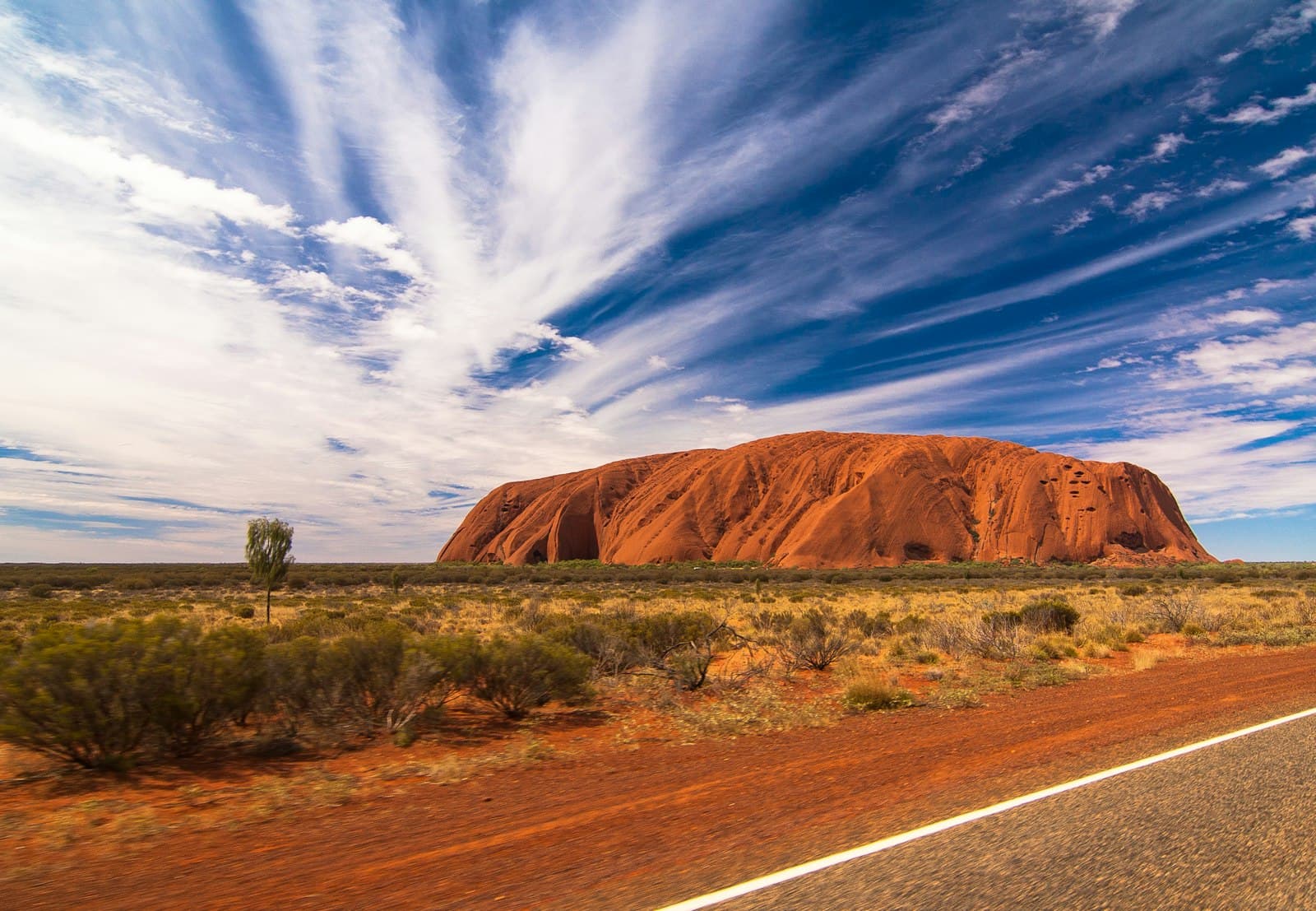
Destination
Australia travel itineraries
1 itinerary · recommended 14-28 days · trips from 12 days
Compiled by TripSet · based on 1 traveler itinerary · Last reviewed: July 2026
About Australia
Australia is a sovereign country occupying an entire continent — the sixth-largest country in the world by total area — spanning from tropical rainforests and the Great Barrier Reef in the north to temperate coastlines, alpine terrain, and the Outback desert at its heart. That single geographic fact determines everything about travel here: distances are enormous, ecosystems are radically different from one region to the next, and wildlife found nowhere else on Earth is an everyday backdrop.
The country splits roughly into four trip patterns. East-coast classics combine Sydney's harbor and beaches with the rainforests and Reef around Cairns, often with a road trip up the Pacific Highway through Byron Bay and the Whitsundays. The Red Centre (Uluru, Kings Canyon, Alice Springs) is a separate journey usually flown into, offering desert landscapes and Aboriginal cultural sites unlike anywhere else. Tasmania has emerged as a foodie and wilderness destination in its own right, with the Overland Track and MONA in Hobart. The west — Perth, Margaret River, the Coral Coast — sees fewer travelers but rewards those willing to make the trip.
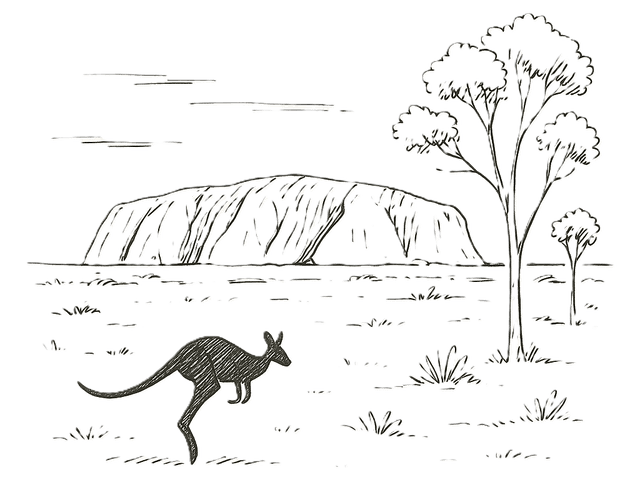
Choosing your scope is the first real decision — Sydney to Perth is a five-hour flight, and the Great Barrier Reef alone stretches longer than the entire US west coast.
Practical realities: Australia is expensive. Accommodation, restaurants, and alcohol cost noticeably more than in Europe or North America. Self-drive is the most rewarding way to see the country, with campervans particularly popular; petrol is reasonable but distances mean fuel adds up. Domestic flights between major cities are competitive and often cheap if booked early. Tipping is not expected. Public transport is excellent within cities but limited between them outside the east coast.
Australian summer (December–February) is hot, smoky in bushfire years, and brings cyclone risk to the north. Winter (June–August) is mild on the east coast, ideal for the Reef and Red Centre, and ski-able in the Alps. Spring and autumn are the genuinely best travel windows for most itineraries.
Australia travel tips
- 1
Arrange your eVisitor or ETA before flying — airlines will deny boarding without it. EU passports use the free eVisitor (applied online); US, UK, Canadian, and other ETA-eligible passports must now apply through the Australian ETA mobile app, which requires an NFC-capable smartphone and biometric passport.
- 2
Book domestic flights early — prices between Sydney, Melbourne, Brisbane, and Cairns spike sharply close to the travel date. Qantas, Virgin, and Jetstar all serve major routes.
- 3
Sun protection is non-negotiable. Australian UV index is among the highest in the world year-round, especially in Queensland and the Northern Territory. SPF 50+, a hat, and long sleeves mid-day are standard.
- 4
Never swim at patrolled beaches outside the red-and-yellow flags — rip currents are the leading cause of beach drownings. If caught in a rip, float and signal for help rather than exhausting yourself fighting it.
- 5
Self-driving is the most rewarding way to see the country. Distances between attractions are large and public transport between regions is limited outside the east coast. Campervans combine transport and accommodation and are especially popular.
- 6
In the tropical north, never swim in rivers, estuaries, or unmarked coastal areas — saltwater crocodiles are present and attacks occur. Check jellyfish warnings before ocean swimming (box jellyfish and Irukandji are dangerous seasonally).
Plan your Australia trip with TripSet
Copy any itinerary
Pick a real Australia trip from the list below and duplicate it into your account — all days, stops, hotels, and transport included.
Import your bookings
Upload your flight, train, or hotel confirmation PDF — AI reads it and fills in all the details automatically. No manual entry.
Learn more →Invite & collaborate
Travelling with others? Add co-editors — everyone sees changes in real time. Share a read-only link with anyone.
Learn more →Export & share
Download as KML (Google Maps, Organic Maps) or GPX (Garmin, OsmAnd, Strava) for offline navigation — or export as an animated video.
Learn more →Itineraries from Australia



Best time to visit Australia
September–November (spring) and March–May (autumn) for most regions
Jan
Exce
Feb
Exce
Mar
Exce
Apr
Exce
May
Exce
Jun
Good
Jul
Good
Aug
Good
Sep
Exce
Oct
Exce
Nov
Exce
Dec
Exce
ExcellentGoodOkayAvoid
- Jan, Feb: Summer south, wet north
- Jun, Jul, Aug: Best for tropical north
- Dec: Summer, peak season
Frequently asked questions
A bare minimum of 10 days for one region (e.g. Sydney + Great Barrier Reef). 2–3 weeks for a proper east coast trip. 4+ weeks to combine east coast with the Red Centre or Tasmania. Most travelers try to do too much and end up rushing — picking one or two regions and doing them properly is better than a highlights tour.
Planning your own Australia trip?
Copy any itinerary above, or start from scratch — free, no credit card.
Start planning